


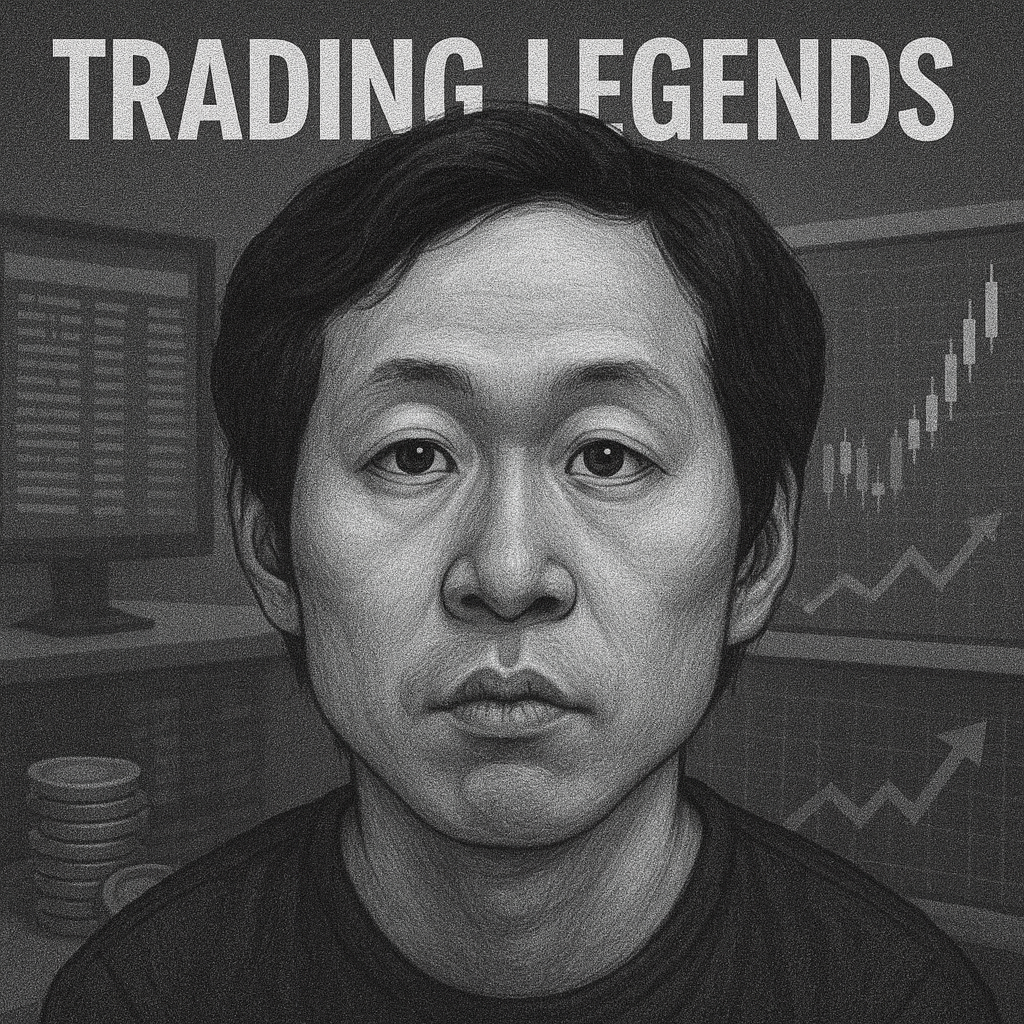
In a dim Tokyo apartment, bedroom trader Takashi “BNF” Kotegawa turned a ¥1.5 million stake (~$13,600) into a nine-figure fortune by pouncing on market anomalies—most famously a fat-fingered J-Com order that netted him $17 million in a day. His legend rests on discipline, speed, and razor-sharp risk control: a sniper’s approach that favored quick rebounds over grand bets.
The Bedroom Trader Who Turned $13,600 into a Legend
A dimly lit room, the hum of multiple screens casting a glow on a focused face. It’s early morning in Tokyo, and Takashi Kotegawa—known to the online world as “BNF,” or the “J-Com man”—spots it: an aberration on the Tokyo Stock Exchange. A massive sell order mispriced by Mizuho Securities offers 610,000 shares at just one yen each, instead of the reverse. While panic ripples through the market, Kotegawa acts—keen, swift, and calm. A calculated click later, he’s scooped up shares that yield a $17 million windfall in a single day.
This defining moment captured the essence of his trading ethos: discipline, agility, and the uncanny ability to seize fleeting anomalies. In less than a decade, Kotegawa transformed a modest $13,600 nest egg into a fortune of around $153 million.
Background and Early Life
Born on March 5, 1978, in Ichikawa, Chiba, Japan, Kotegawa’s journey was far from gilded. As a university student of modest means, he became fascinated by the stock market and began saving from odd jobs to raise about ¥1.5 million (~$13,600) in starting capital.
He entered trading around 2000–2001, just as the dot-com bubble collapsed and bearish sentiment dominated the Tokyo Stock Exchange. From a small bedroom setup, he studied charts and price movements obsessively, teaching himself technical analysis. These quiet, methodical beginnings laid the foundation for his later success.
Key Career Moments
Bear Market Opportunist. During the early 2000s bear market, Kotegawa thrived where many struggled. He specialized in day-trading intraday rebounds, often targeting stocks that had dropped sharply. According to several trader accounts, he reportedly used technical indicators such as Bollinger Bands, RSI, and the 25-day moving average to guide his entries—buying into steep declines and selling quickly once prices rebounded, sometimes within hours.
By 2003–2004, this disciplined execution had turned his initial stake into millions of dollars, and by 2005, reports estimate his account had grown to around $15 million. It should be noted, however, that detailed accounts of his exact methods come primarily from trading community sources (such as broker blogs and trader-educator writeups), rather than independent financial journalism. While consistent across multiple reports, these specifics are best viewed as part of trader lore rather than fully verifiable records.
The J-Com Coup. In 2005, Kotegawa entered trading legend. A fat-finger error at Mizuho Securities placed a sell order for 610,000 shares at ¥1 each instead of 1 share at ¥610,000. The mistake roiled the Tokyo Stock Exchange, causing losses of over $200 million for Mizuho.
Kotegawa seized the moment. Buying aggressively, he exited the position with a staggering $17 million profit in a single day. The trade cemented his reputation and earned him the nickname “J-Com man.”
Calm Amid Crisis and Retreat from Spotlight. Even during the 2008 financial crisis, Kotegawa kept his composure. He preferred to pause and preserve capital rather than chase volatile bets—a mindset that saved him from the ruin that swallowed many others.
By the late 2000s, with his fortune secured, Kotegawa retreated from the public eye. He avoided interviews, rejected fame, and lived modestly. His only known indulgence was a top-floor apartment in Tokyo; he shunned luxury cars, watches, or displays of wealth.
Trading Philosophy
Kotegawa’s trading philosophy was rooted in precision and discipline. He focused on highly liquid, volatile stocks that allowed him to enter and exit quickly without significant slippage. Rather than chasing long-term moves, he looked for sharp intraday declines—often triggered by overreactions—and timed his entries to capture short-term reversals. Profits were taken quickly, usually within the same day, as he preferred a steady stream of small, reliable gains over waiting for large but uncertain comebacks. To protect his capital, Kotegawa imposed strict risk controls, limiting exposure on each trade and using tight stop-losses. He also avoided holding positions overnight, minimizing the risk of unpredictable news that could erase profits. This sniper-like approach—patient, precise, and decisive—defined his rise from a small bedroom trader to a market legend.
Conclusion
Takashi Kotegawa’s story is not just about astronomical returns. It is about discipline in chaos, clarity of focus, and the courage to strike when others hesitate. From his bedroom trading desk, he systematically built one of the great modern trading fortunes—not through luck alone, but by relentlessly preparing, studying, and executing.
For today’s traders, his legacy is a reminder that markets reward patience, agility, and respect for risk. Though Kotegawa has long since stepped away from the limelight, his legend—the trader who turned $13,600 into $153 million—continues to inspire.